
7 October 2025
Animals associated with Halloween may seem spooky, but those reputations are largely built on all sorts of myths, superstitions and misunderstandings.
Ahead of our October half term Boo at the Zoo activities, let’s take a look at some of the animals associated with Halloween, where those horror stories came from, and why debunking these myths is so important.
Bats
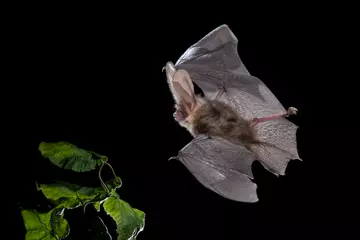
While bats are often associated with vampires and darkness, bat species are generally completely harmless to humans. Despite their spooky reputation, bats play a crucial role for UK ecosystems. Only three bat species found in Central and South America feed on blood, which in folklore is commonly associated with vampires.
There are 18 species of bat in the UK, feeding on insects including midges, moths and beetles. Bats are actually clean and sociable animals and spend many hours grooming themselves.
Ring-tailed lemurs
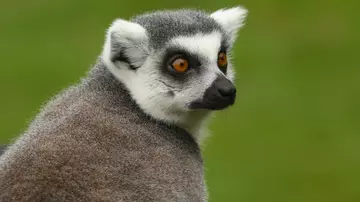
The Latin word 'lemures' actually means ghosts. Early explorers in Madagascar thought that the loud calls made by lemurs were spirits in the forest canopy, and their glowing eyes and nocturnal habits reminded them of Roman spirits.
Lemurs actually have 22 vocalisations including a ‘meow.’ Some of these are communication between the groups so they know where others are, and some are alarm calls to signal danger.
Go In with the Lemurs at Whipsnade Zoo to get closer to these agile primates.
Hippos

Hippos' skin secretes a natural red-coloured substance often referred to as 'blood sweat' and acts as a sun cream with anti-septic properties. This red stuff was sometimes mistaken for actual blood on their skin fuelling myths that hippos would prick themselves on sharp reeds causing them to bleed and relieve their general swollen appearance which is of course, untrue.
Our pygmy hippo, Tapon, can be seen in the Africa area of the Zoo.
Owls
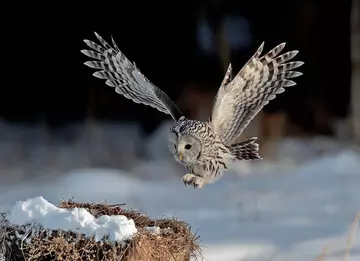
Due to their nocturnal behaviours and loud calls owls are often perceived as eerie and spooky, or a bad omen. Some myths have even gone so far as to say that the hooting of owls is said to indicate sudden death (yikes!). But rest assured, folks - those owls are hooting at each other as their primary form of communication and aren't interested in foretelling the fate of us humans!
As with many other nocturnal species, because they're active at night, they're often linked to spooky activities under cover of darkness, like witchcraft and wizardry. Some species of owls are actually diurnal meaning they will hunt during daylight. The rotation of owls heads of up to 270 degrees can look a little 'freaky' but is an adaption necessary for hunting and allows them to locate prey without moving their entire body.
Don't miss seeing some of our incredible owls, over in Woodland Walk.

Aye-ayes
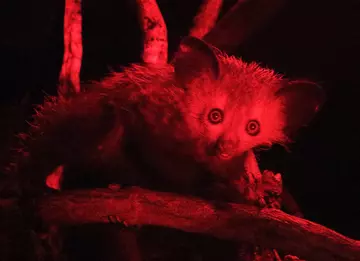
One of the strangest-looking primates in the world, this unique, long-fingered lemur is an aye-aye. In Madagascar aye-ayes are sometimes believed to be omens of bad luck and even death to those who look at them. Myths suggest that if an aye-aye points its long finger at you, death is not far away. Through this undeserved reputation and subsequent habitat destruction, the aye-aye is now in real trouble in the wild.
They actually use those elongated fingers to find their food. Aye-ayes find insect larvae to eat by tapping that finger on branches and listening for hollow sounds - they then use their strong front teeth to chomp the bark away before reaching in to pull out their prey. Ayes-ayes have also been seen to use their long bony fingers to pick their nose!
Tarantulas

Spiders are probably the most commonly misunderstood animals in the world. Most spiders are harmless to humans and help keep insect populations in balance. They're often very shy, reclusive and gentle - preferring to avoid human contact. We should all cherish them as an essential part of global ecosystems.
Tarantulas are often assumed to have deadly bites but bar a few subspecies, their venom is generally of very low toxicity which is one reason why they're commonly now kept as pets. Tarantulas have very poor eyesight so they rely on sound to communicate with each other. If you see a tarantula tapping their leg, this means they are calling or warning others by generating vibrations.