
25 June 2025
By Matt Webb, Head of Zoological Operations at ZSL Whipsnade Zoo
Nature runs on cycles - and the trolls know it
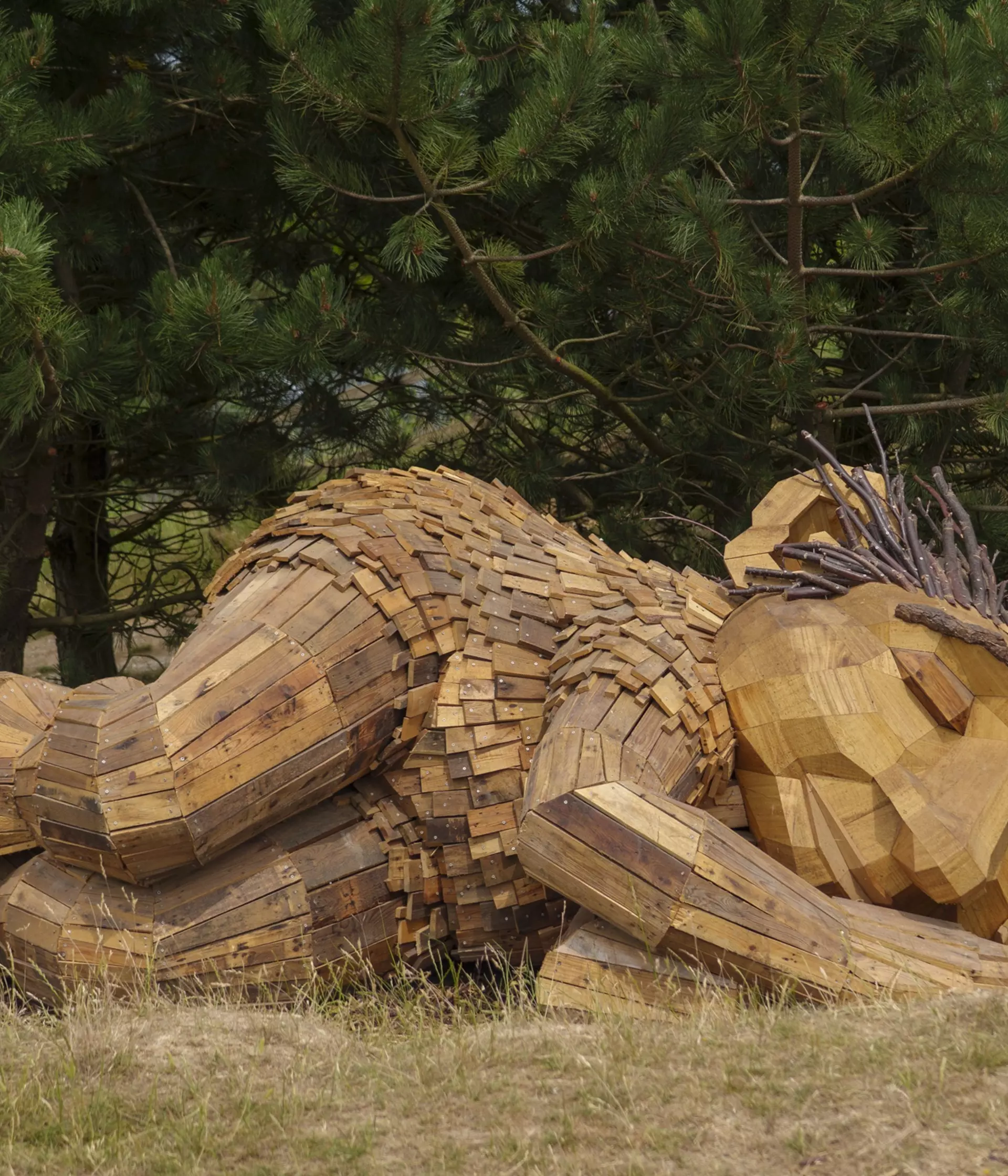
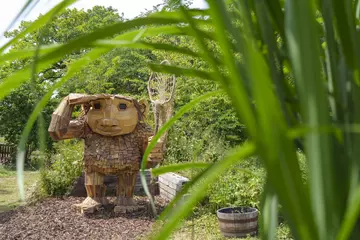
Here at Whipsnade Zoo, we’re always in awe of nature’s rhythms. From the rising and setting of the sun, to the ever-changing seasons, the natural world is finely tuned to cycles that stretch back to the dawn of time. That’s why it feels fitting – magical, even – when Trolls: A Field Study, a new installation by renowned recycle-artist Thomas Dambo, arrived with the summer solstice.
These 12 curious visitors have taken up residence around the Zoo for the summer, and they’re scheduled to depart again on the autumn equinox in September. It’s a poetic arc – one that mirrors so many hidden patterns of nature that quietly shape the lives of the animals we care for here at Whipsnade.
From sunrise to sunset: how light shapes life
One of the most powerful natural cycles is the daily transition from light to dark – and many of our animals respond instinctively to these changes. Our ring-tailed lemurs, for instance, are most active during the early hours of the day when it’s cooler, before shifting to a classic “sun-worshipper” pose in the warmer afternoons.
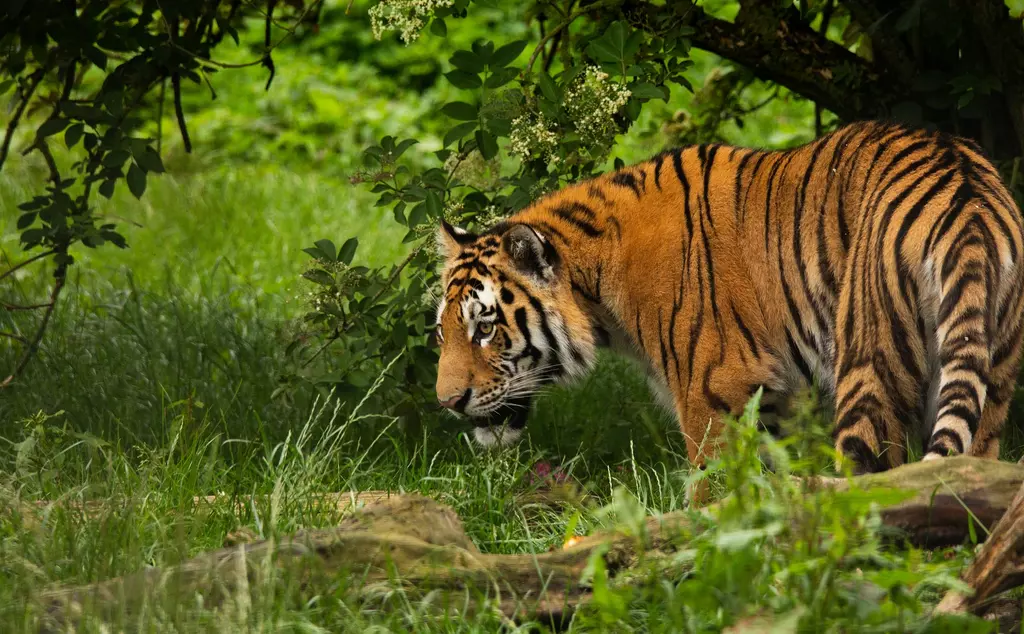
Our tigers are crepuscular animals which mean they prefer the twilight hours of dawn and dusk - hunting and patrolling in the stillness, their senses sharpest when the light dims. It’s a cycle that connects them with their wild cousins across Asia.


Seasonal shifts: fur, fat and families
As the seasons change, our animals respond accordingly.
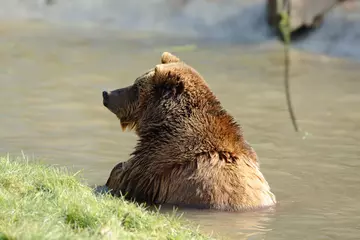
In early spring, our brown bears emerge from torpor – a period of inactivity over winter – and begin to shed the thick winter coats that kept them warm through their long period of rest. By midsummer, their diet shifts – mirroring what they’d seek in the wild – from grasses and seeds to protein-rich treats, as they prepare their bodies once more for the leaner months ahead.
Our Asian elephants also have a seasonal rhythm to their lives. As temperatures rise, they’ll wallow more frequently and spend longer in the shade to cool their vast bodies, just as they would in the hot forests of Assam and Myanmar. We’ll be starting to develop their habitat further this year, commencing a project that will include the creation of a large watering hole where they can fully submerge. Watch this space for more details on this!
Birth, growth, and migration: life’s great cycle
Some of the most remarkable cycles are those of life itself.
Our white rhinos follow a long reproductive rhythm. Pregnancies last an astonishing 16 months - a slow, patient process that mirrors the slow pace and resilience of these majestic herbivores.
Meanwhile, our giraffes give birth standing up, and within an hour their calves are finding their feet - ready to start a new cycle of growth, play, and exploration.
Other species are tied to great seasonal migrations. Our camels, adapted to the harsh cycles of desert life, are a living link to animals that travel vast distances in search of water and food, responding to ancient cues in the land and sky.


Hidden clocks: the wonders of biological time
Some natural rhythms are harder to spot - but no less extraordinary.
Our Francois langurs, for example, breed seasonally with peaks in autumn and winter resulting in spring-summer babies. That’s why we often get a spate of orange-headed babies! And our zebras, whose stripes help regulate their body temperature, are finely attuned to heat, shelter and light - moving and grazing in response to subtle environmental changes.
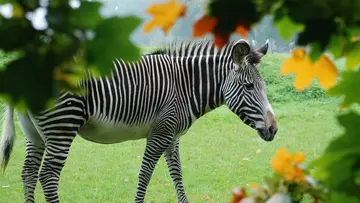
Even the seemingly solitary Asian rhino is not immune to the pull of seasonal cycles, with hormone levels, territory marking, and feeding habits all shifting as the months change.
The trolls have arrived - and they’re watching
So as the trolls begin their three-month stay at Whipsnade, they are here not just to delight, but to study. These gentle giants are curious about how humans interact with nature - and perhaps, why we sometimes lose that connection as we grow older.
Their arrival on the longest day is a reminder that life moves in cycles, if we only stop to notice. They’ll be gone before the leaves fall on the autumn equinox – one of two days each year where night and day are the same length – leaving only a reminder to tune in more closely to the rhythms of the natural world.


Come and meet our 12 curious trolls
Trolls: A Field Study is now open – but only until the autumn equinox (September 22). Come and explore the extraordinary world of Thomas Dambo’s trolls, set against the landscape of the UK’s largest zoo and its remarkable animal residents.
Book your visit now and experience the wonder of nature's cycles - troll-style.