
15 May 2026
From the tallest to the fastest, Whipsnade Zoo is home to record-setters and peak performers of the animal kingdom.
This May half term, you're invited to help us smash a GUINNESS WORLD RECORDS® title of our own with a giant paint-by-numbers attempt, all included in your Zoo ticket or membership.
Ahead of your visit to the UK's largest Zoo, here are seven standout species to spot with incredible abilities and unrivaled features.
Giraffes - the tallest land mammals
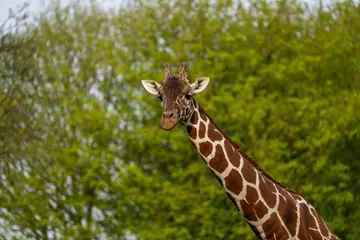
We're home to nature’s tallest champion - a full‑grown giraffe stands about as high as a double‑decker bus stacked on top of a single‑decker!
Come face-to-face with our family of endangered reticulated giraffes from a high-level viewing platform at Giraffe Heights, or gaze up at the towering giants from below. You could even book onto our Meet the Giraffes experience and feed them their lunch.
How do you measure up against the animal kingdom’s long‑necked legend? Stand next to our giraffe cut-out and ruler to compare your height with some of our iconic animals.
Why are giraffes so tall?
An adult male giraffe averages around 5.3 metres in height. Their long legs and long necks give them the advantage of not only reaching leaves from the tallest trees, but also spotting predators from afar, and being able to make a quick getaway. Giraffes act as the savannah’s alarm system - when they start running, other animals know to run too!
How tall is a baby giraffe?
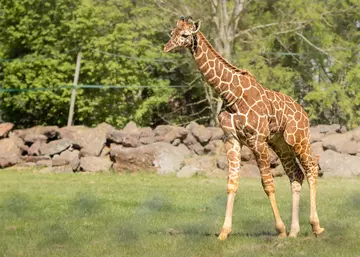
Giraffes give birth standing up, so calves will drop about two metres to the ground just after they're born! If that wasn’t enough of an entrance to the world, they're up and walking after just a couple of hours on their long wobbly legs, and calves stand at about two metres at birth.
Our youngsters Leoni and Duke are growing up fast. Get the lowdown on our two baby giraffes to find out why their births are some important for their endangered species, and look out for them alongside the rest of the herd when you visit us this May half term.


Giraffe are already about 2 metres high when they're born
Join our record-breaking attempt
Chimpanzees - superb short-term recall
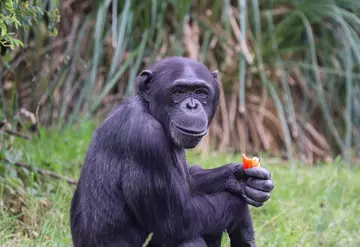
They say an elephant never forgets, but chimpanzees also have incredible memories. In short-term recall tests, they have outperformed humans - and they have amazing long-term memories too.
So why is this so important? Scientists think that chimps evolved this adaptation to help them find food in their complex forest environments - they can mentally map out their territory, including the precise locations and fruiting periods of thousands of trees.
Chimps also know all the individuals in their community by sight and by their unique calls, and they can use tools in more ways than any other animal (apart from humans). As one of our closest living relatives, chimps teach each other skills and techniques, like dipping sticks in honey to fish for termites and using rocks to break nuts. They share this knowledge from generation to generation, just like us.


Cheetahs - the fastest land mammals
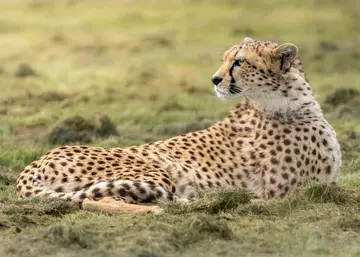
The ultimate speed specialist, the cheetah, can reach speeds of up to 65mph.
As record‑setting hunters, cheetahs can go from 0 to 60 mph in only three seconds! Their lightweight frame, powerful back legs and large muscles give them their amazing running power, and their clawed feet grip the floor as they sprint.
Despite being known for their recording-breaking speed, cheetahs can actually only run at their prey for relatively short distances, so prefer to creep up on them and then spring into action.
The cheetahs at Whipsnade Zoo are in their off-show area at the moment, but you can still have fun exploring the displays around their habitat and learn more about these fascinating felines.

Be part of our record-breaking attempt
Join the biggest ever paint-by-number this May half term, included in your Zoo ticket or membership.

Asian elephants - the largest land mammals in Asia
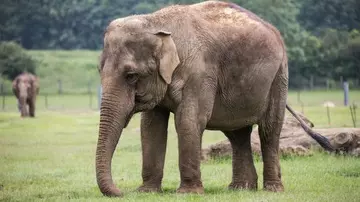
These mega mammals also have big personalities! Known for their intelligence and complex social lives, Asian elephants are truly majestic animals. And they're actually more closely related to the extinct woolly mammoth than to the African elephant.
Our herd at Whipsnade Zoo are not only incredible ambassadors for their endangered species, but they're also playing a crucial role in conservation. From testing thermal cameras and helping to develop new conservation technology, to providing poo samples, our elephants are contributing to vital veterinary advancements and helping conservationists working to protect elephants in the wild.
Elephant conservation at Whipsnade Zoo
Look out for youngster Nang Phaya splashing about in her pool this half term. And if you love elephants, check availability for our hugely popular Meet the Elephants experience - book for summer dates before they sell out!
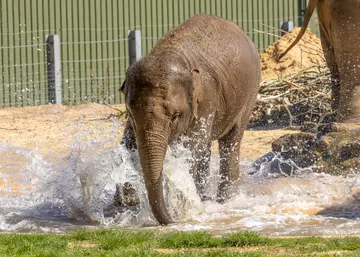


Elephant calf Nang Phaya making a splash in the pool
Wolverines - incredible adaptations to cold climates
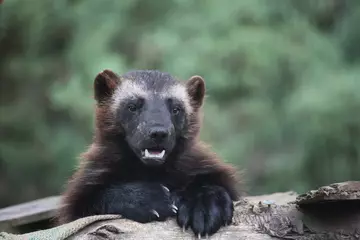
Wolverines may look cute, but they're impressive predators, and perfectly adapted to cold conditions and harsh environments. Found in remote snowy regions, they can smell prey up to six metres under snow!
The wolverine has a legendary reputation for:
- Its strength - Wolverines are one of the strongest mammals relative to their body weight and can take down prey much larger than themselves, like caribou, and drag heavy carcasses long distances. They're also fearless when competing with larger predators.
- Its bone‑crushing bite - Wolverines have exceptionally strong jaws and a specialised molar, allowing them to slice through frozen meat and even crush bone. This enables them to get as much nutrition from food as they can during the winter, making them excellent scavengers.
- Its extreme endurance - Wolverines can travel over 20 miles a day across rugged, snowy terrain in search of food - an extraordinary feat for an animal weighing only 8–18 kg. Their wide paws act like natural snowshoes, and their thick oily fur is resistant to frost.
Lions - the loudest vocalisation of any big cat
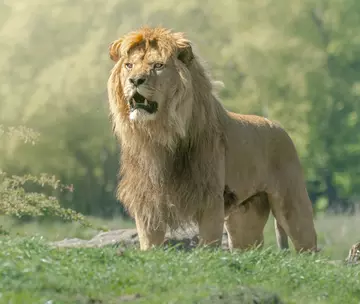
Lions have several standout traits: their strength, speed bursts, and their impressive roar.
A male lion’s roar can be heard up to 5 miles away, making it one of the loudest calls of any big cat and one of the most powerful land‑animal vocalisations. So why is this so important? Long-distance communication is key in the large open landscape of the savannah, whether it's calling for back-up to catch prey, or to defend their territory.
Lions also have an impressive bite and paw swipe, making them fierce predators not to be reckoned with.
Visit our Northern African lion pride and listen out for their roar!
White rhinos - the largest rhino species
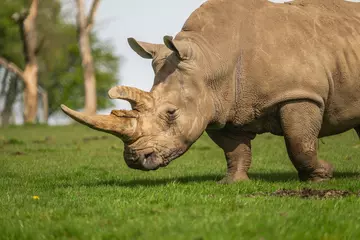
At Whipsnade Zoo, we're lucky enough to look after two species of rhino, including the Southern white rhino.
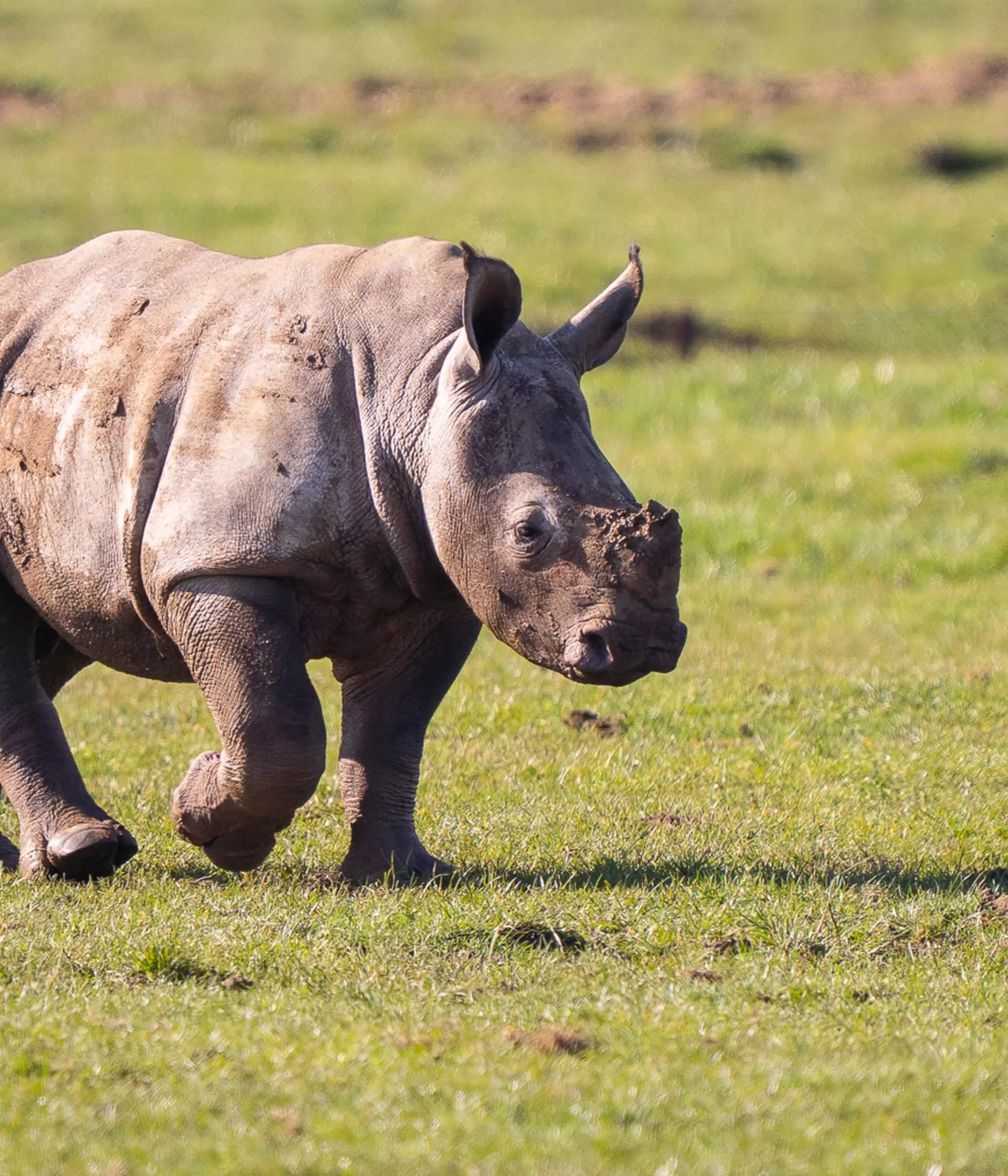
White rhinos are the biggest of all rhino species, weighing up to 2.3 tonnes - heavier than a car! This makes them one of the largest land mammals after elephants.
Even baby rhinos weigh around 45-50kg when they're born. Our youngest calf, Mick, born on New Year's Eve 2025, loves to race around his paddock with the rest of the herd or 'crash' so make sure you say hello this May half term.
Despite their size, rhinos are surprisingly fast and can run up to 30–40 mph over short distances. This is not an official world record, but it is one of the fastest speeds recorded for any large land mammal so is pretty impressive.
Another fun fact, white rhinos have the widest mouth of any rhino. Their broad, square mouth is perfectly adapted for grazing and is the feature that is actually thought to have given them their name, due to a mistranslation of the Afrikaans word for wide.
Visit Whipsnade Zoo
Experience the UK's largest Zoo - winners of a Tripadvisor Travellers' Choice Award in 2025 and 2026.