
23 June 2026
We’ve had a baby boom at Whipsnade Zoo!
There are some precious new arrivals for you to meet. Find out how best to spot them on your Zoo visit, and why their births are so important.
An endangered Asian elephant
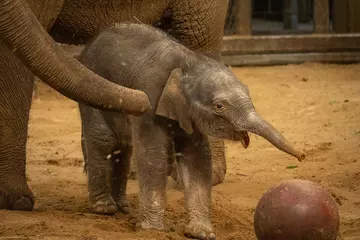
Meet our mammoth arrival - an elephant calf! Born on Monday 8 June, the not-so-little one was born to mum Donna and is a vital addition to the European breeding programme for the endangered species – which in the wild are threatened by habitat fragmentation and climate change.
Standing at less than a metre tall and weighing 110kg, the baby boy is in need of a name, and we're giving you the chance to help us! Donate £5 or more for a chance to help choose his name, enjoy an unforgettable elephant experience and overnight stay. Entries close at 11.55pm on 13 July 2026, so don't miss your chance to be part of this elephant calf's story from the very beginning.
INCREDIBLE SUMMER VALUE - SAVE UP TO £35 WITH A FAMILY TICKET AND GET A FREE RETURN VISIT!
Save even more with the family ticket for 3 or 4 people, and when you book online to visit before 2 September 2026, we’ll also give you a return visit absolutely free! T&Cs apply*
A domestic Bactrian camel
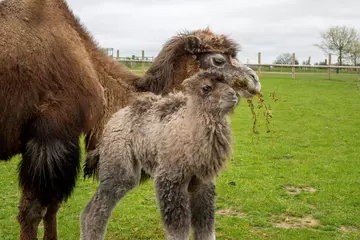
A long-legged Bactrian camel was born on 21 March and can be seen out in the paddock with her family. The fluffy new addition joins sister Sally, who was born in 2024, and 10-month-old half-brother Ivor.
The baby girl has been named Sophia, in homage to Sophia Raffles - the first woman to become a fellow of ZSL, the charity behind Whipsnade Zoo, in 1826. Look out for our new arrival bounding about on her long legs in our drive-through habitat, Passage through Asia, alongside deer species and Przewalski's horses.
Our domestic Bactrian camels at the Zoo are important ambassadors for their critically endangered ‘cousins’, the wild camel (Camelus ferus), in Mongolia and China.
A François’ langur infant
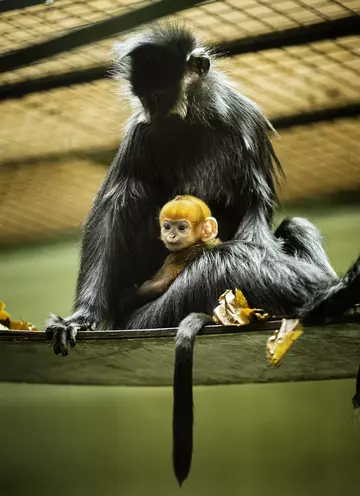
We're excited to share the news that an Endangered baby François’ langur was born on the morning of 1 February.
Infant François’ langurs are born with bright orange hair, an evolutionary quirk thought to allow parents to easily spot their youngsters when they’re being cared for by other members of the troop. Over time, the newborn’s hair will fade to black like his parents.
The baby boy, who is yet to be named, is part of the international conservation breeding programme for François’ langurs, which aims to boost the numbers of species that are threatened in the wild. Sadly, it’s estimated that only 2000 of these primates remain in the wild, so every birth is a ray of hope for the species.
You can visit our new baby in our Monkey Forest habitat - his bright orange fur should make him easy to spot!
A Southern white rhino calf
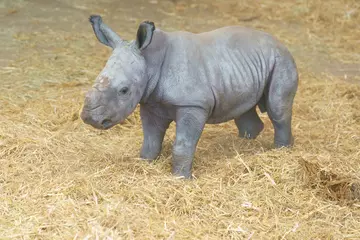
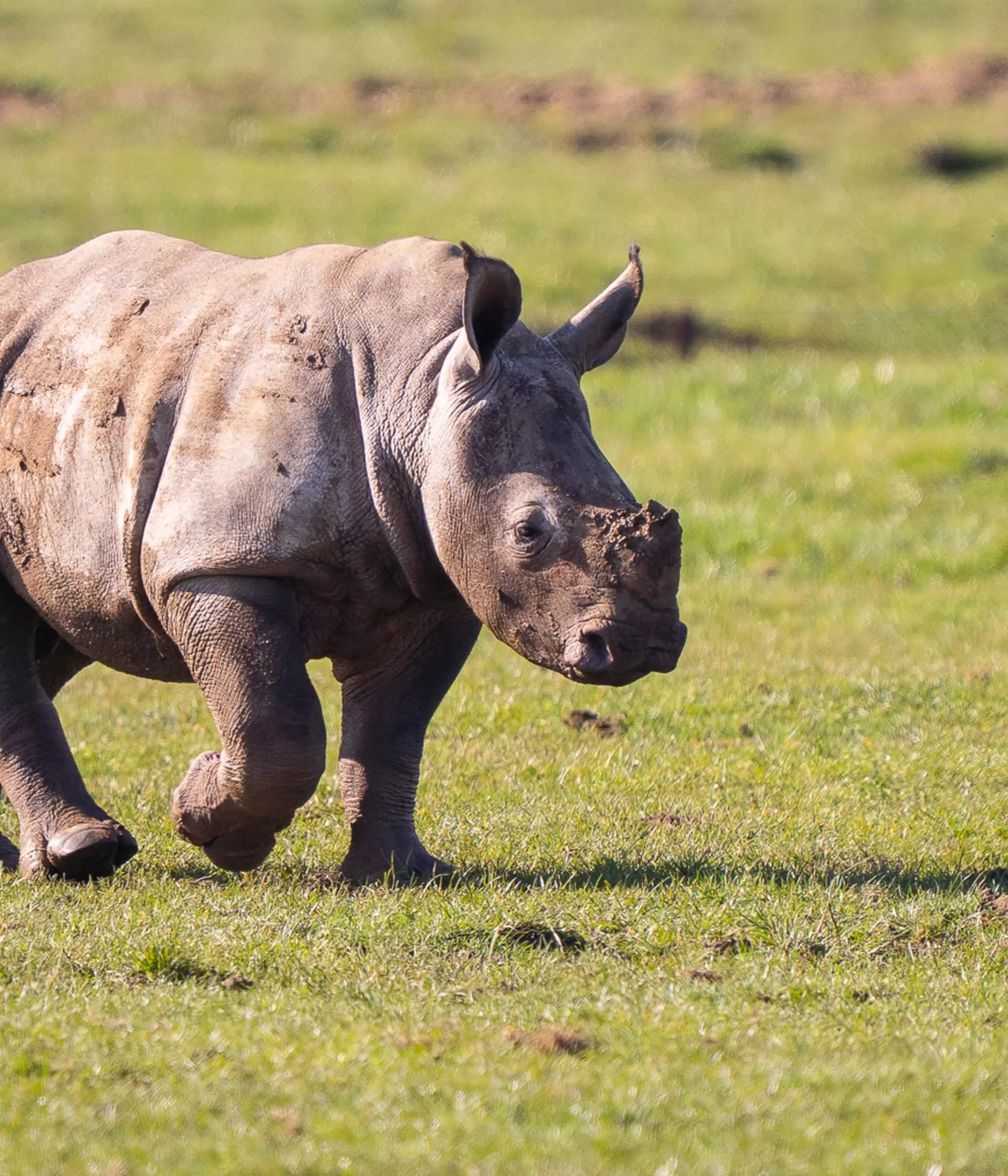
Meet Mick! On New Year's Eve, we were thrilled to welcome a white rhino calf to our herd after a 16-month pregnancy. The baby boy was snuggled up inside his cosy indoor den with his mum Jaseera, but has now started to venture outside in the spring sunshine - look out for him racing around the paddock.
He loves a scratch from keepers, especially under the chin, and it's really important for our keepers to be able to get hands-on with him while he's still young, which will then aid health checks and any training in the future.
With just 17,500 southern white rhinos left in the wild, the little one will be taking big steps for his species by joining the European breeding programme, which helps to create a genetically diverse and healthy back up population of rhinos.


Mick with his mum Jaseera inside his cosy house


Look out for Mick bounding around his paddock
Two giraffe calves
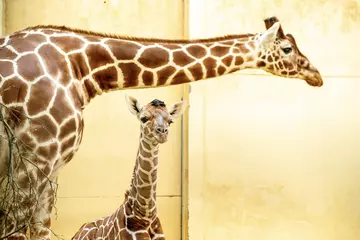
We’re delighted to have two long-legged new arrivals in our giraffe herd, born just four weeks apart. Female calf Leoni – named by our members – was born to mum Luna on 18 November, and her half-brother, Duke, followed on 21 December to mum Ijuma.
The newborns join siblings Myra and Timba, who were both born in the summer of 2024. Each one is a precious addition to the international conservation breeding programme for reticulated giraffes, who are Endangered in the wild.
The calves are becoming great playmates and are confident and curious about the world around them. If they're not outside when you visit, look out for them in their indoor Giraffe House. Here you’ll be able to see them at eye level from a large window on the ground floor – they’re already around 6ft when they’re born! Then head up to tower over them from the top of our indoor viewing platform. It’s really special to see them.


Our calves spent the first few months inside a cosy house


Leoni and Duke inquisitively investigating their paddock
Keep up-to-date on our latest arrivals
Make sure you follow our social media channels for cute videos and updates on the new arrivals.
Coming soon…
There’ll be plenty more new arrivals throughout the year, so watch this space!
Join our family
If you’re not already a member, now’s your chance to sign up to visit our new babies and watch them grow.
Plus, with a Zoo membership you can also enjoy unlimited visits to London Zoo to visit our gorilla infants, otter pups, and plenty more little ones throughout the year.